Back
Madrid
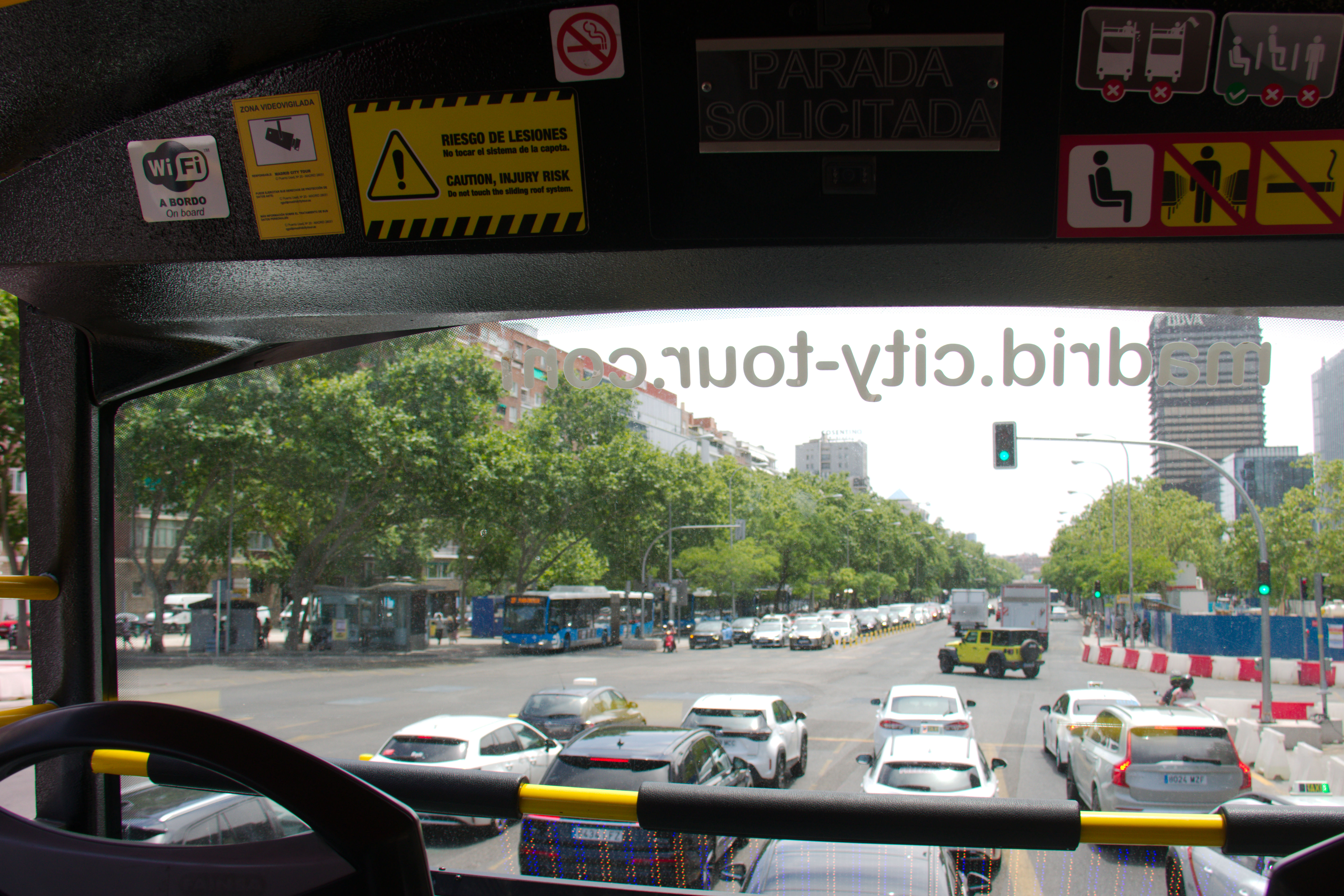
Hop on Hop off bus tour of the city.


A neoclassical triumphal gate built in the early 1800s, dedicated to King Ferdinand VII.
It stands in the middle of a roundabout and is one of Madrid's historic ceremonial entrances.



Neptune stands on a chariot shaped like a seashell, drawn by sea horses, surrounded by jets of water.
The circular flower bed around it is typical of the plazas layout.
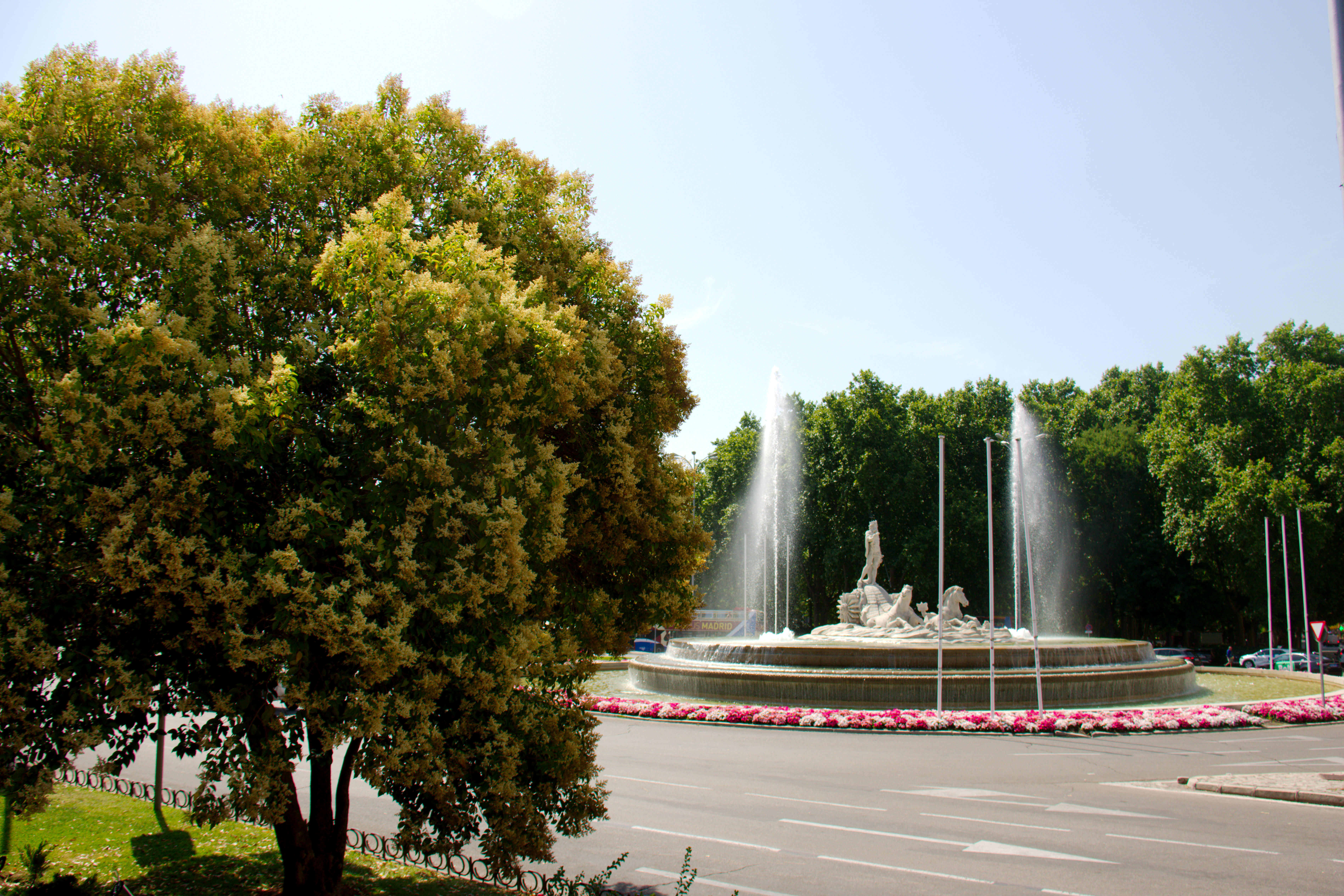
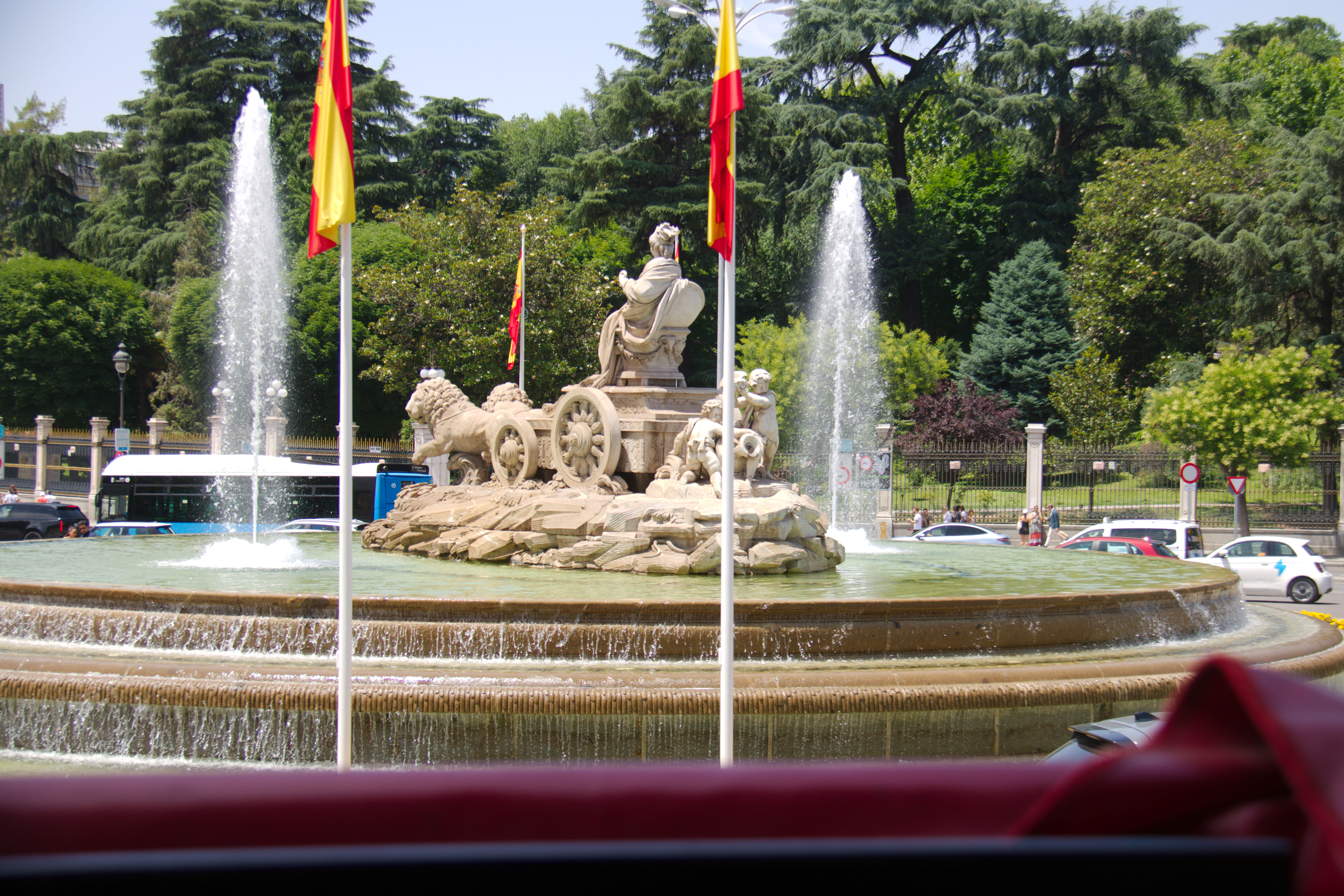
The Cibeles Fountain (Fuente de Cibeles) is a monumental 18th-century fountain
located in the heart of Madrid, Spain.It depicts Cybele, the Phrygian/Roman goddess
of fertility and nature, riding a chariot pulled by two lions.




Arco de la Victoria
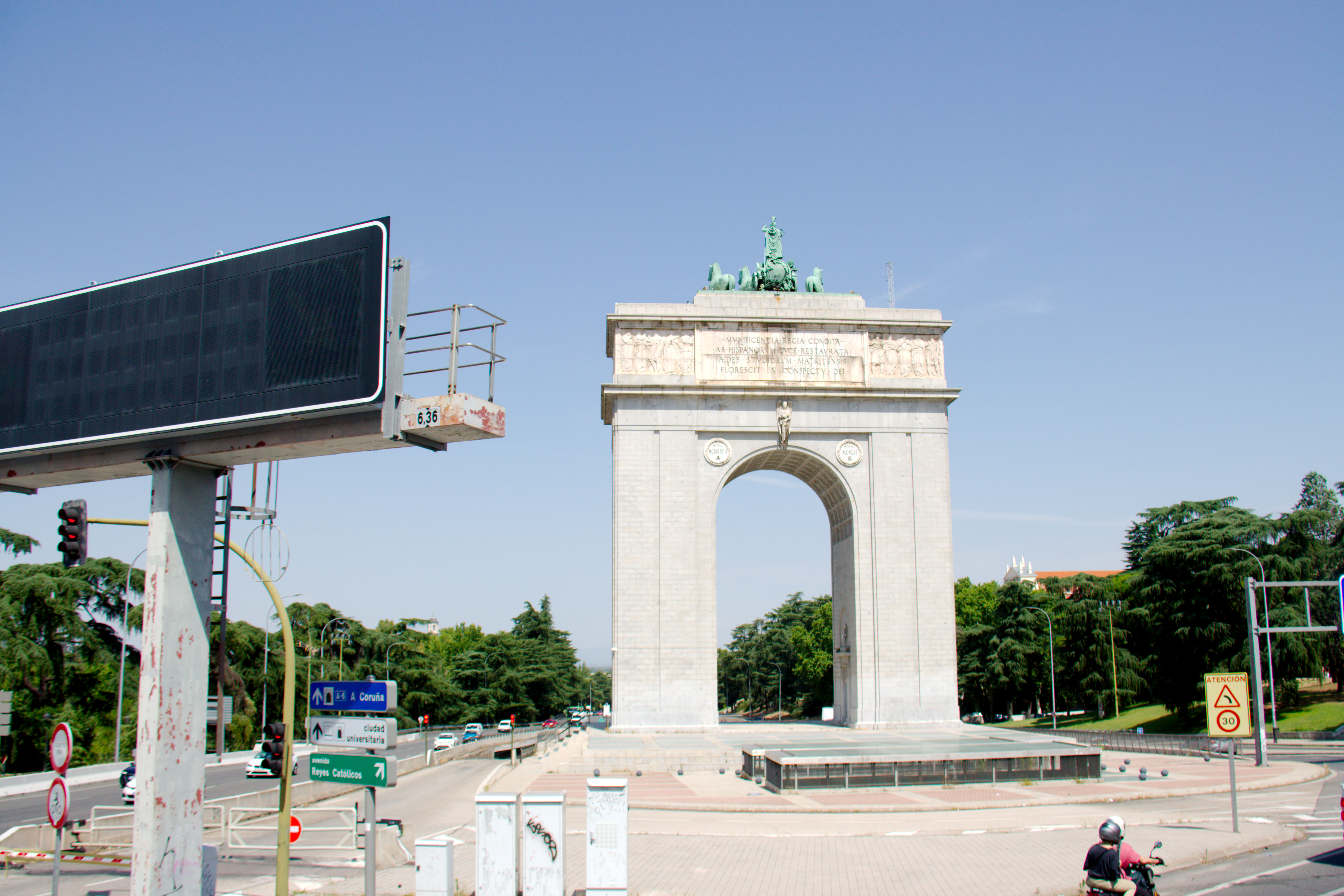
(Also called Puerta de la Moncloa)
A massive stone triumphal arch built in the mid-20th century.
On top sits a bronze quadriga — a chariot drawn by four horses — with a figure symbolizing victory.
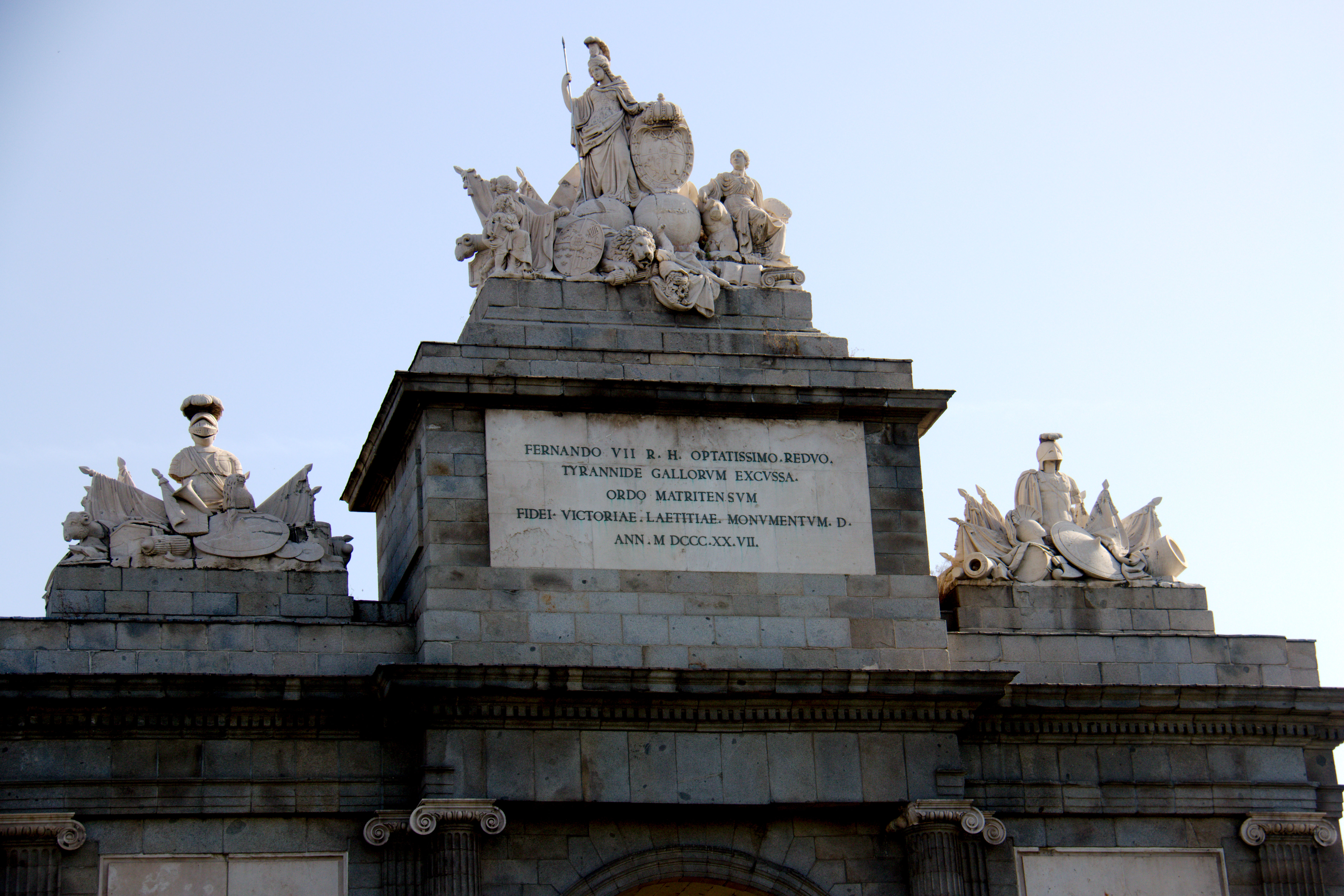
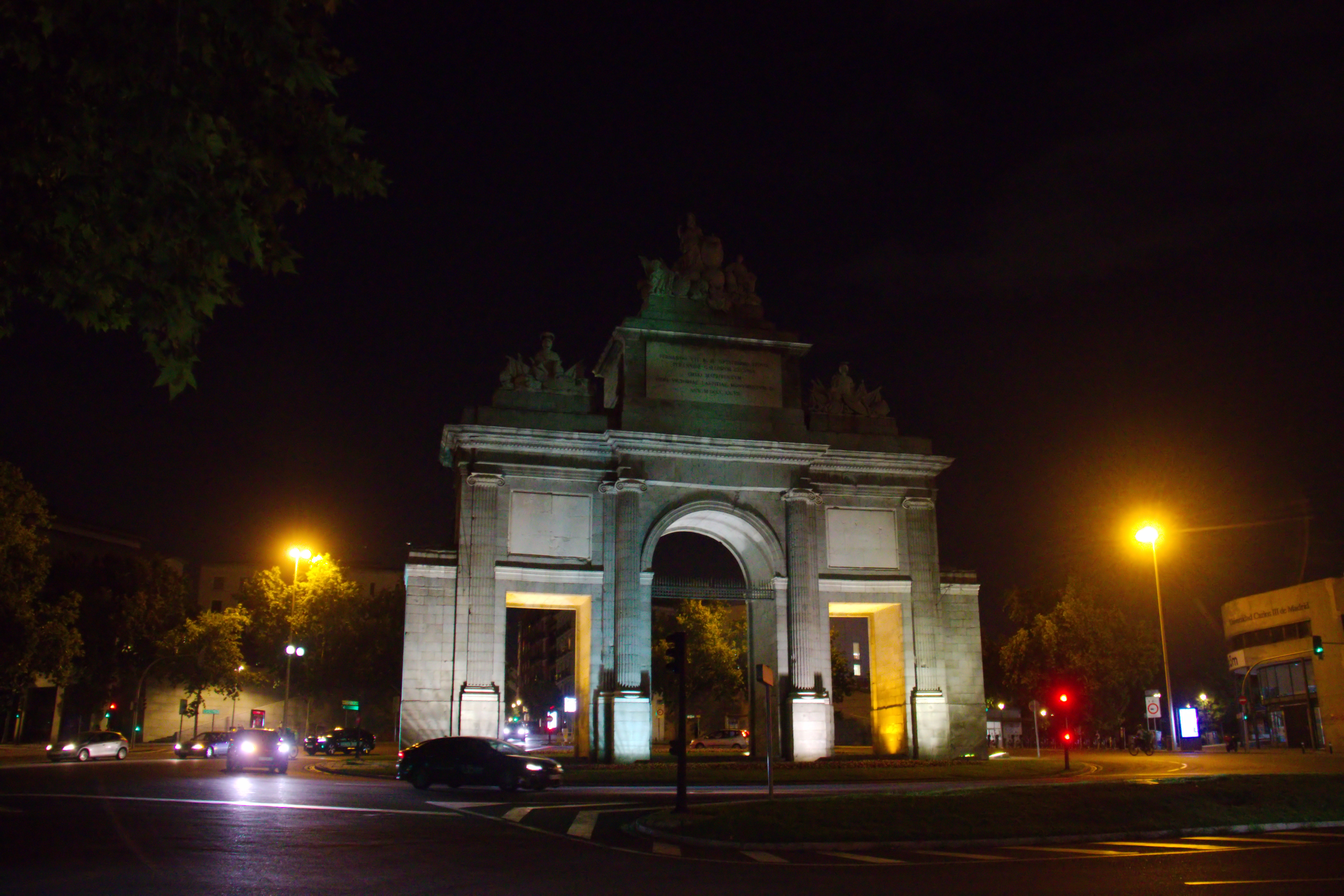
Puerta de Toledo, one of Madrid’s major neoclassical gates.


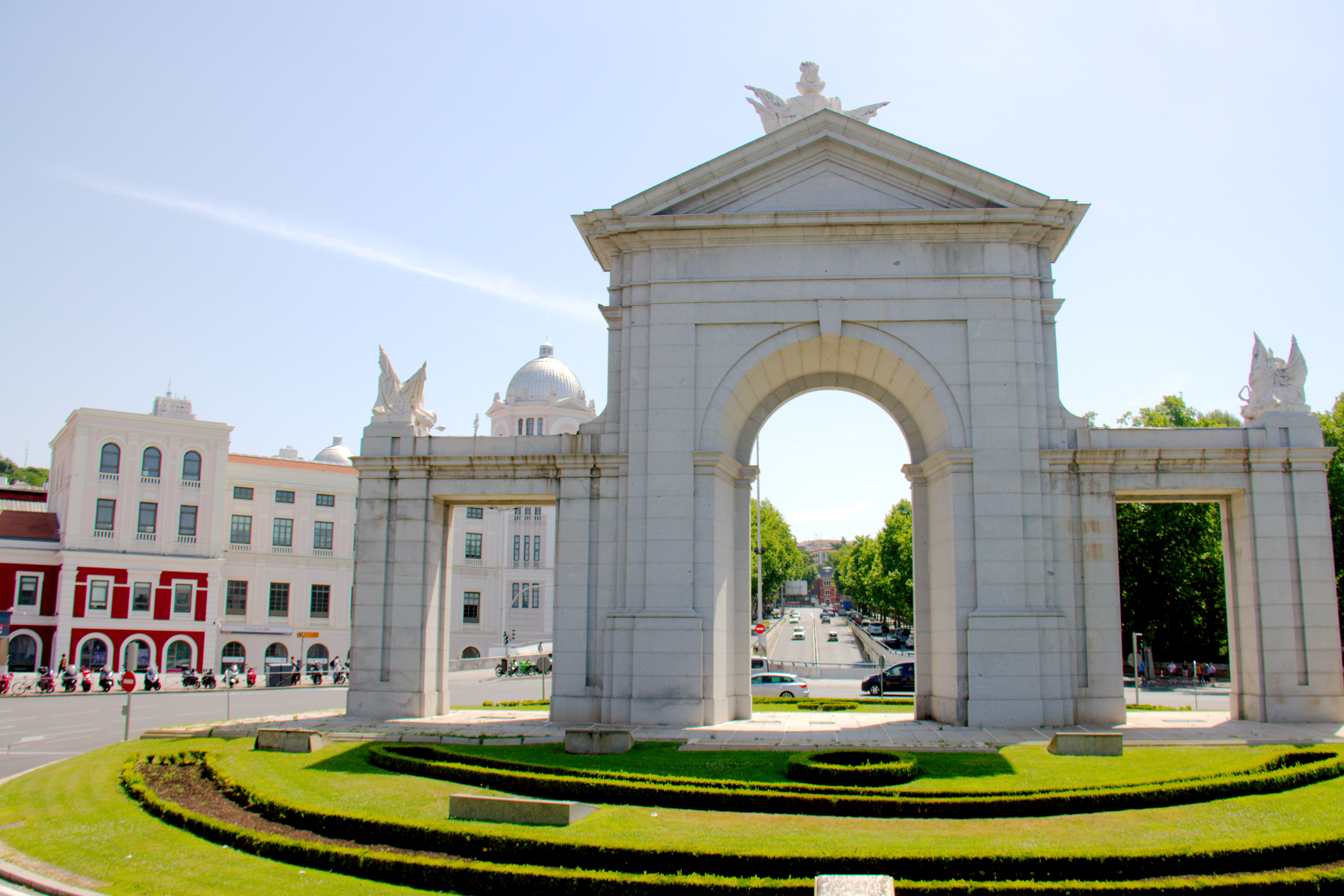


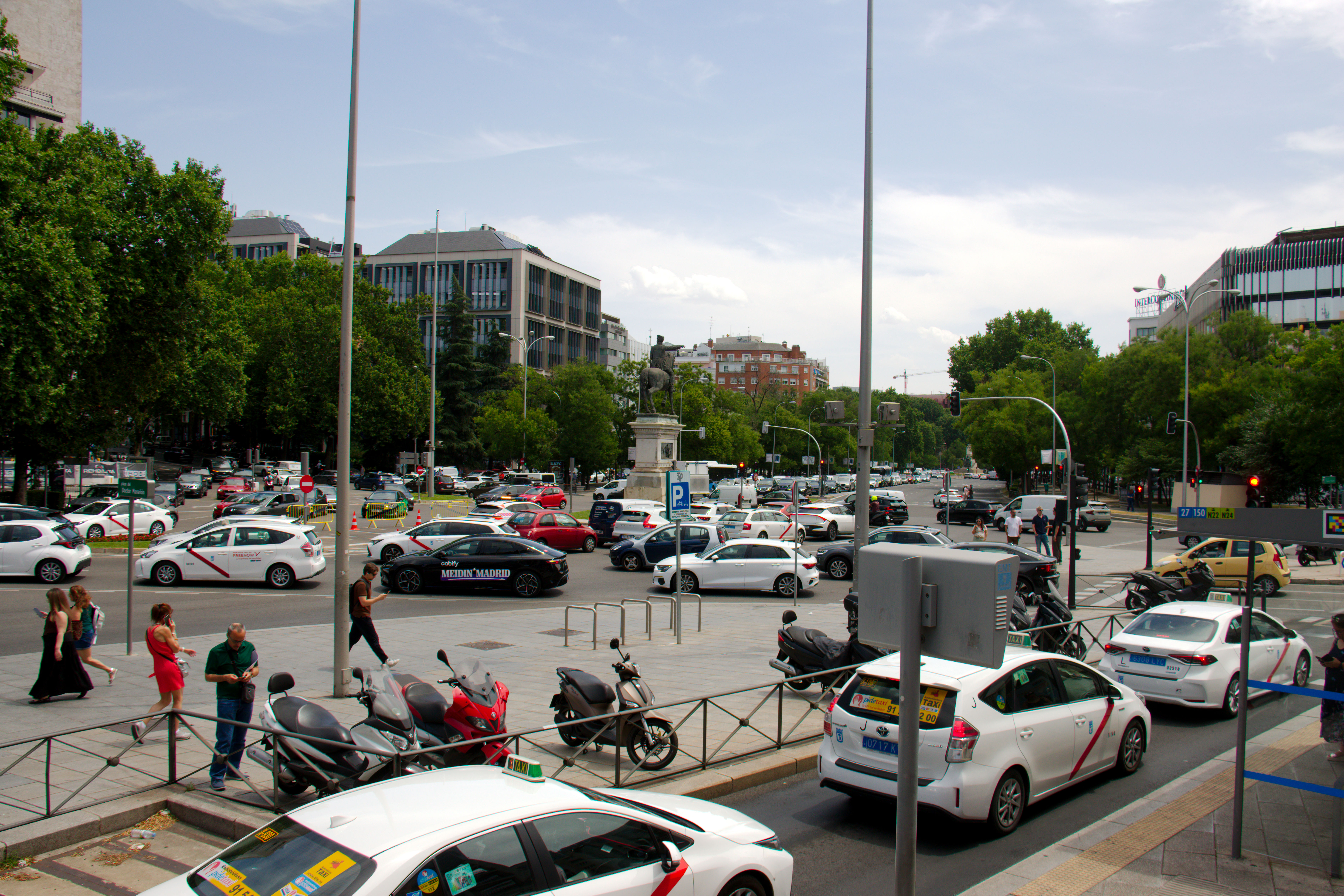
Plaza de la Independencia, Madrid
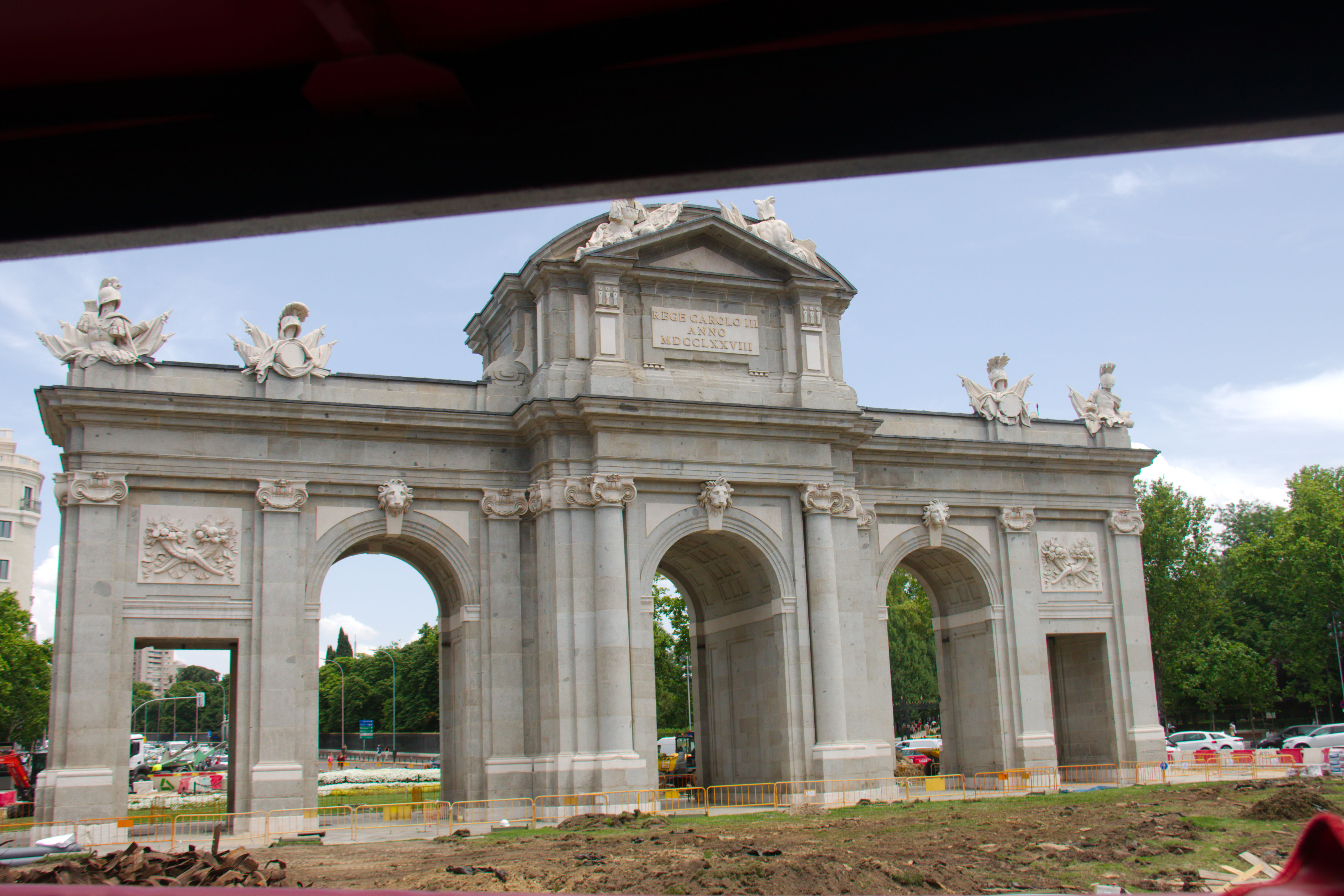
A monumental neoclassical gate built of granite, featuring:
Five arches (three semicircular, two rectangular)
Sculptures of allegorical figures, shields, and military motifs
The inscription “REGE CARLO III ANNO MDCCLXXVIII”
marking its completion under King Charles III in 1778


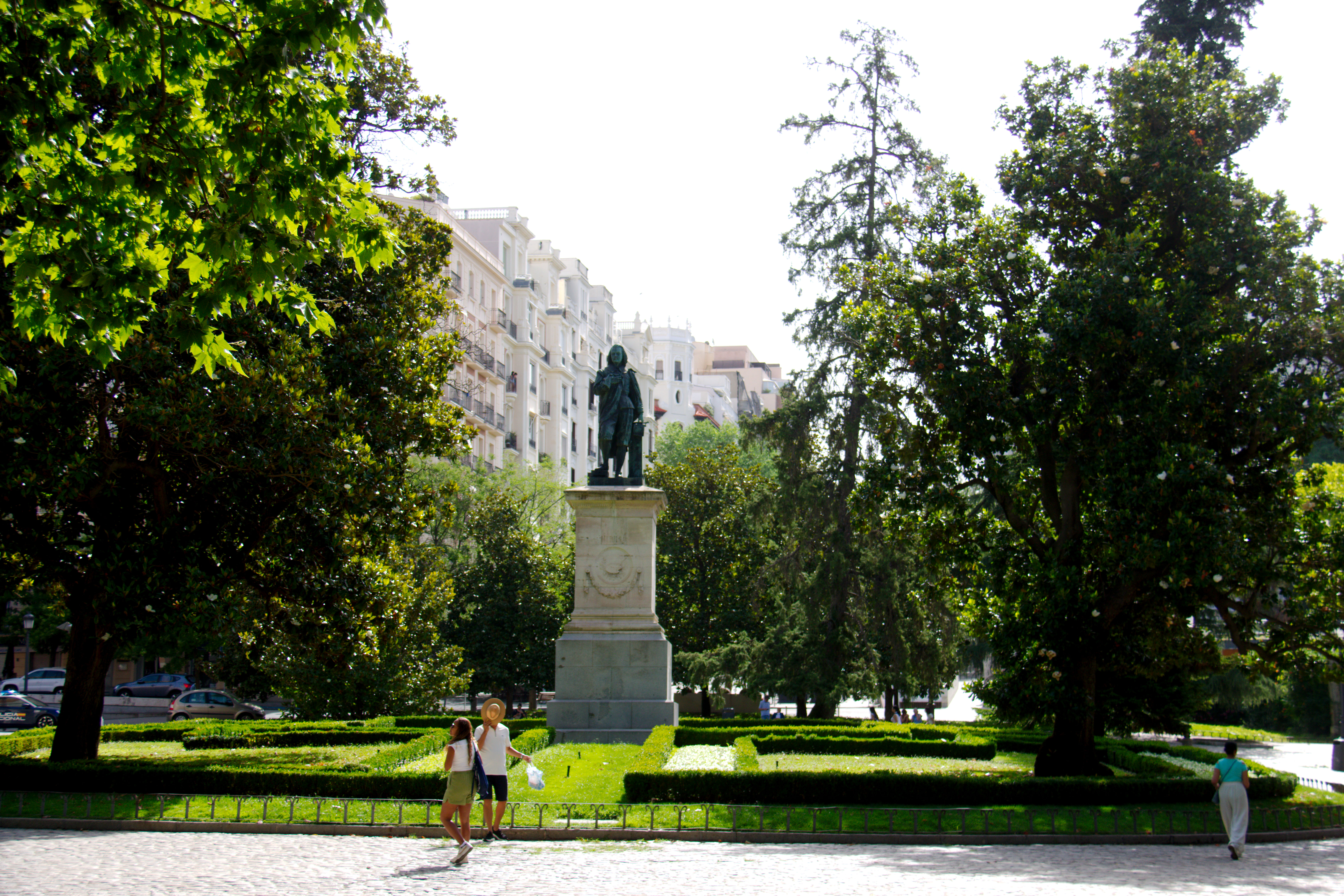
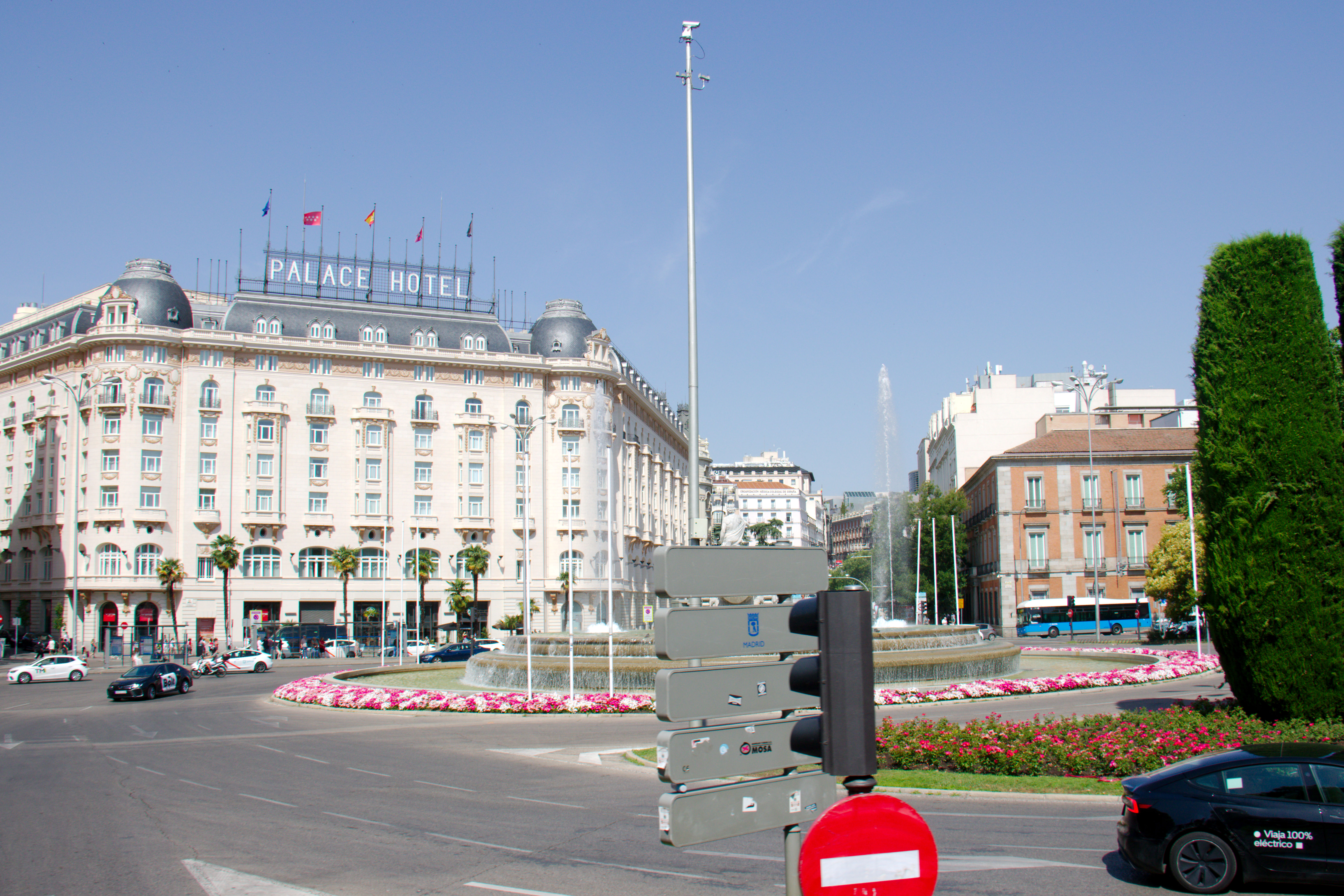
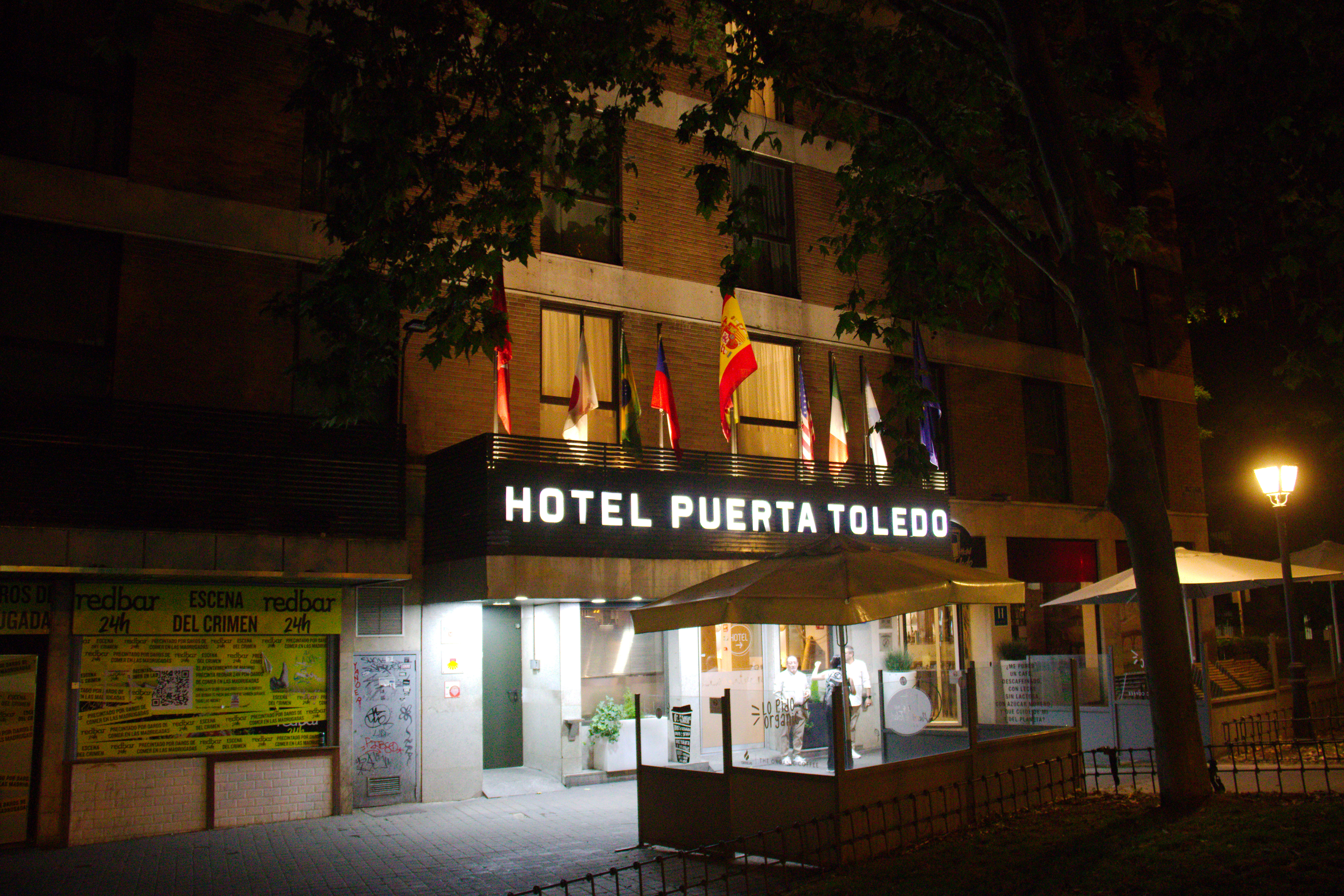
Right outside our hotel.
Our Hotel.
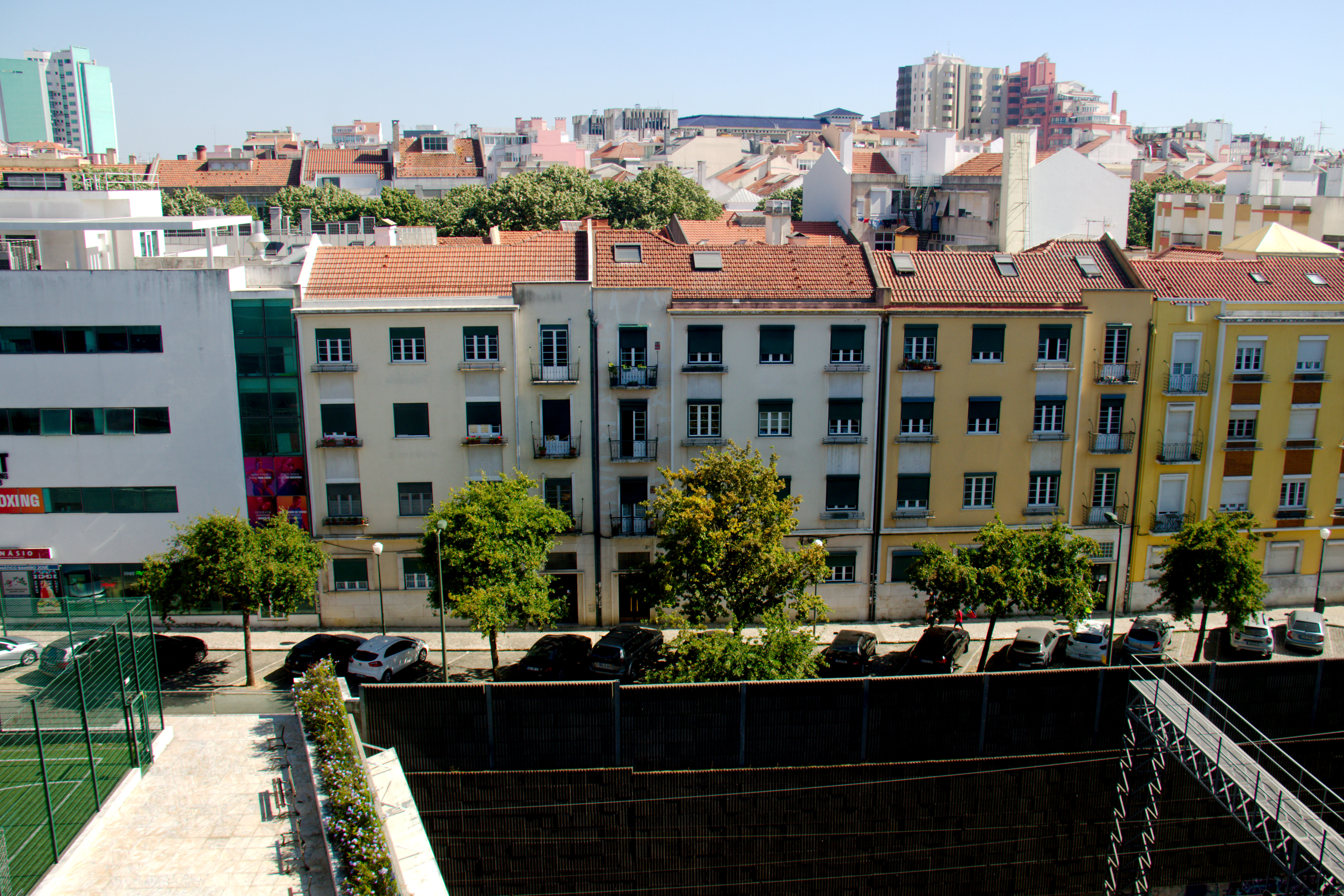
View from our room.
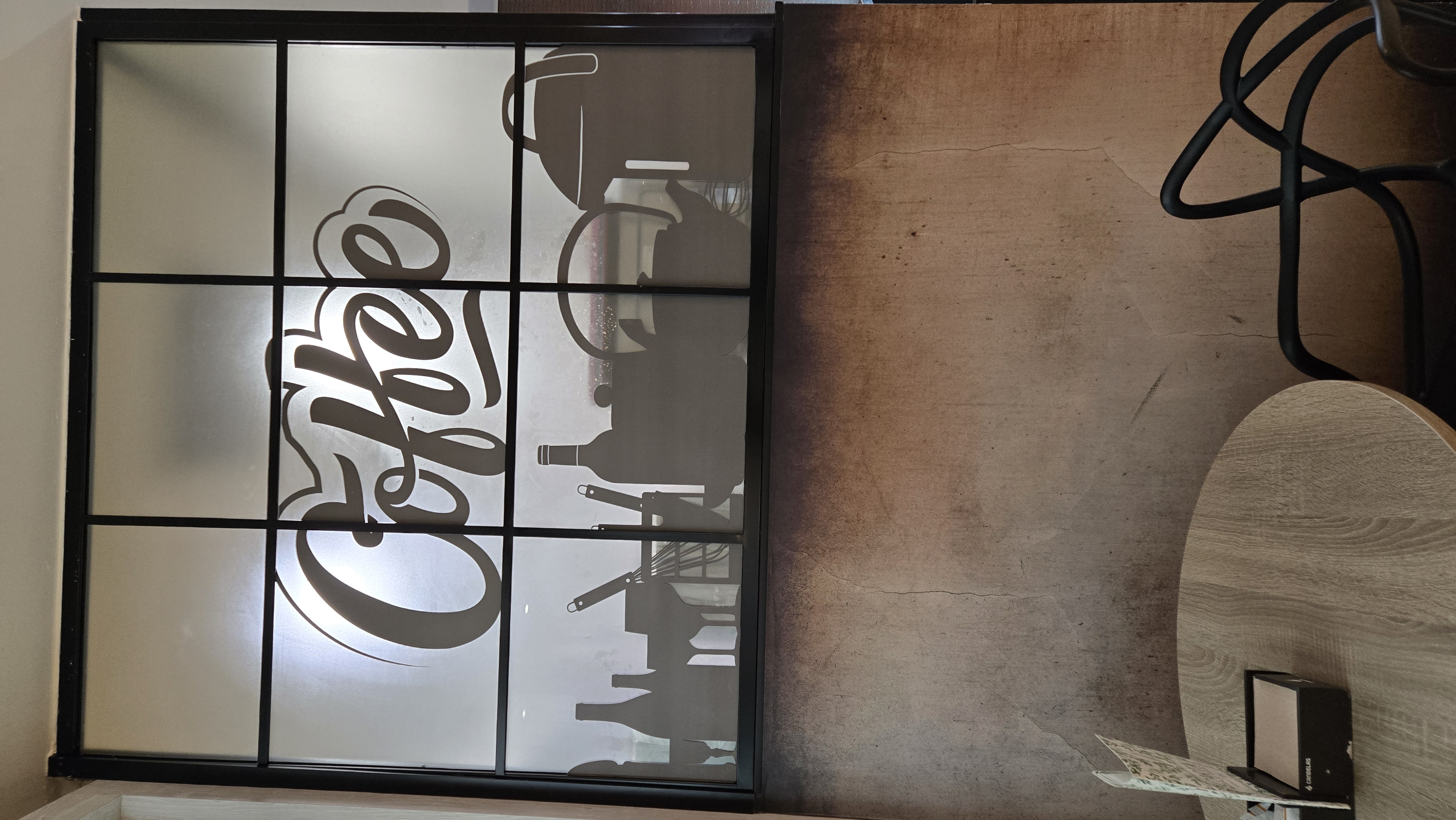
From the inside of our hotel

speak no evil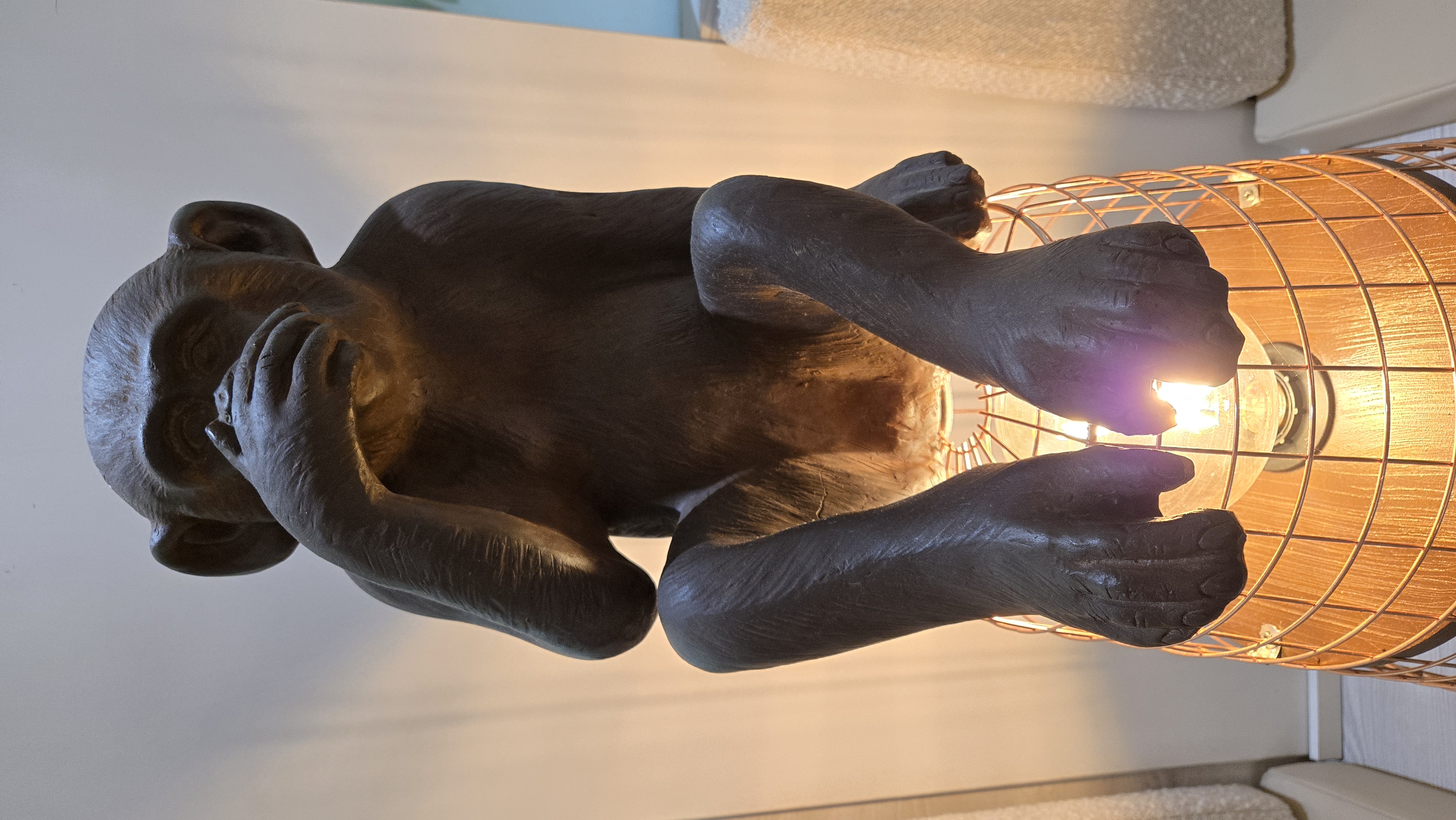
hear no evil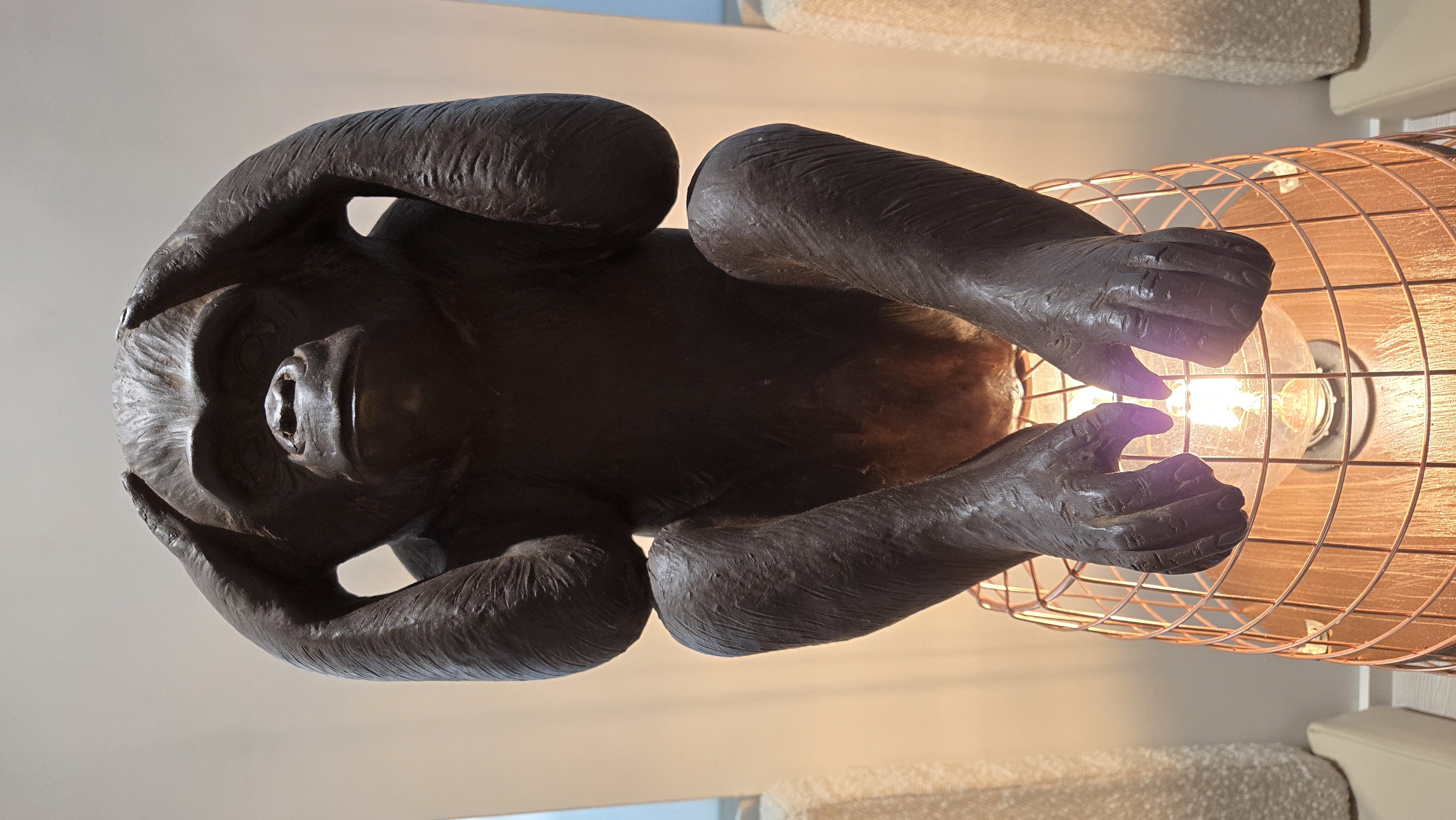
see no evil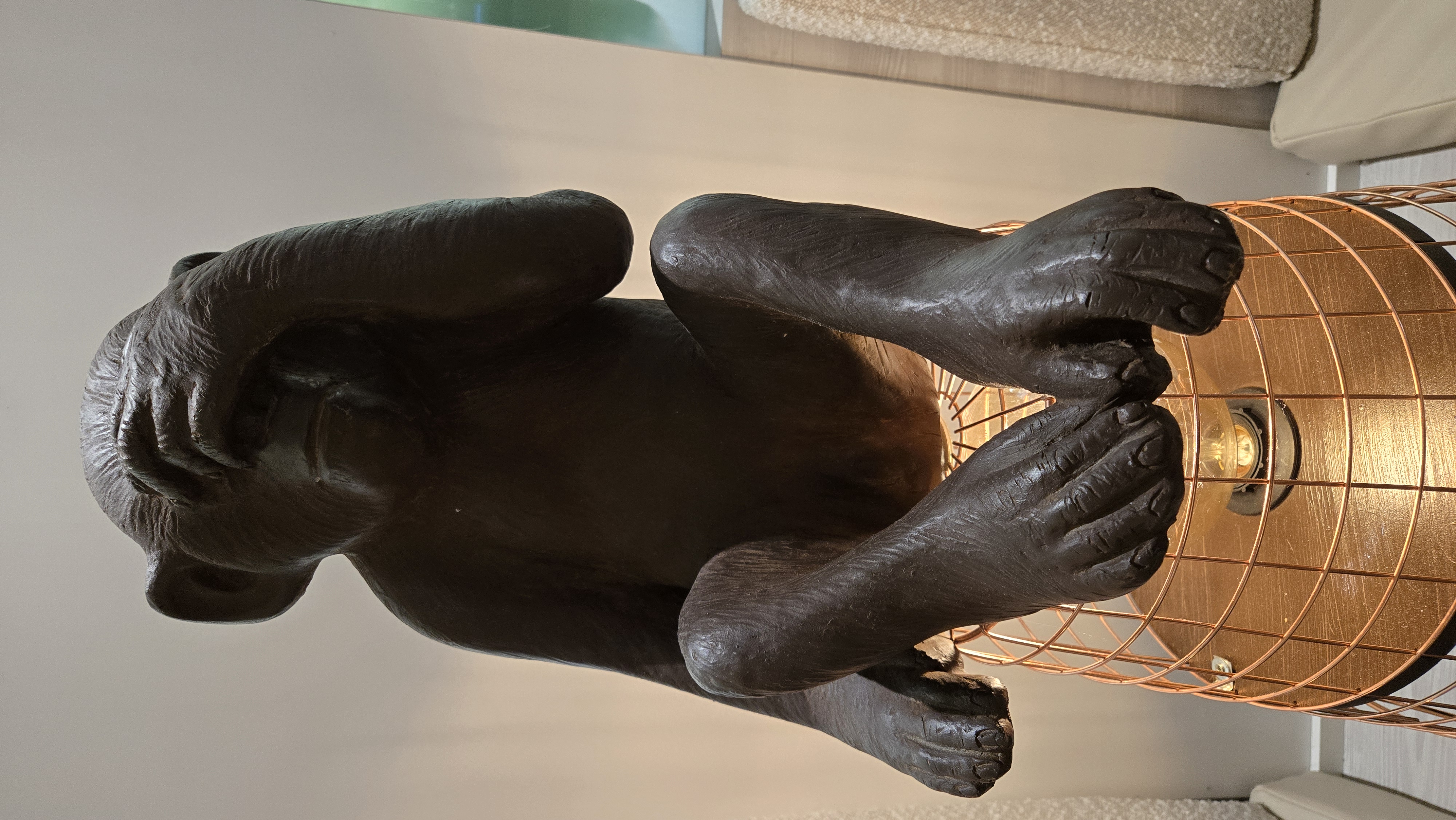
San Jerónimo el Real
Often called “Los Jerónimos.”
Next to the Museo del Prado, on the eastern edge of central Madrid.
It sits above a wide staircase overlooking a plaza that leads toward the museum.
We will visit the Prado Museum the next day.

